

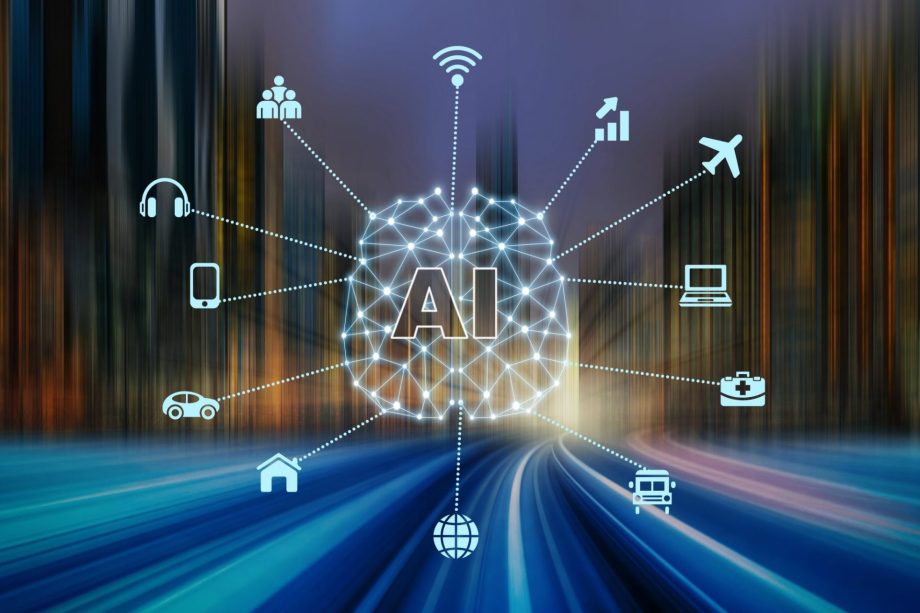
As the world of AI takes off, it is finding a new direction on how it integrates into real-time business and personal applications. The newest top AI technology trends for 2024 are focusing on generative AI advancements, AI integration into wearable technology, and AI’s expanding role in various industries. Here are some key trends that are emerging in the AI space for 2024.
Key Trends and Technologies:
Generative AI Improvements:
- Video Generation: Companies like Runway are pushing the boundaries with generative video models, such as Gen-2, which create high-quality video clips from minimal inputs. This technology is revolutionizing the film industry, allowing for advanced special effects and efficient content production (MIT Technology Review).
- AI in Creative Industries: AI tools are being increasingly used in creative processes, from generating art and music to assisting in writing and film production. This includes applications like deepfake technology for marketing and training purposes, making it easier to create high-quality, realistic content (MIT Technology Review) (McKinsey & Company).
AI in Wearables:
- Apple Vision Pro: Apple’s Vision Pro headset, set to launch in early 2024, exemplifies the integration of AI with wearable technology. This headset merges augmented reality (AR) and virtual reality (VR), offering advanced optics and computing power. It’s designed to enhance user interaction with digital content, providing a more immersive and intuitive experience (TechRadar).
Multimodal AI Models:
- General-Purpose Robots: Inspired by the capabilities of multimodal AI models like GPT-4 and Google DeepMind’s Gemini, roboticists are developing robots capable of performing a wide range of tasks. These advancements in AI are leading to more versatile and efficient robots that can handle diverse functions in various environments (TechRadar).
AI in Business Operations:
- Generative AI in Supply Chain and HR: Businesses are leveraging generative AI to improve efficiency in supply chain management, human resources, and customer service. These applications are helping companies reduce costs and increase revenue by automating complex tasks and providing deeper insights into operations (McKinsey & Company).
AI for Enhanced Collaboration and Communication:
- AI-Driven Assistants: Integration of AI into office software is becoming more common, with tools that can summarize meetings, draft emails, and create presentations automatically. This enhances productivity and streamlines workflows, making business processes more efficient (MIT Technology Review).
These trends indicate that AI technology is not only advancing rapidly but also becoming more integrated into everyday applications across various industries. Businesses and consumers alike are beginning to see the practical benefits of these innovations, setting the stage for even more significant developments in the near future. These technologies can integrate in Audio Visual Systems and corporate office spaces, as well as larger multimedia applications for LED Screens and larger full AV Systems.