

An entire Audio Visual System Build from scratch can be daunting, (We have a how-to guide here). But it’s always important you know you are adding the key components to build the most effective AV system to suit your needs. These technologies ensure that presentations, meetings, and events are engaging, clear, and professional, and that they all work together to deliver the results you are after.
Here are some essential AV technologies:
Display Technologies
- Projectors and Screens: High-resolution projectors and screens are essential for large presentations, ensuring clear and vibrant images.
- LED/LCD Displays: Flat-panel displays provide sharp images and are suitable for smaller rooms or digital signage.
- Interactive Whiteboards: These allow for interactive presentations and real-time collaboration.
Audio Systems
- Microphones: Various types, including lapel, handheld, and ceiling microphones, ensure clear audio capture for presenters and participants.
- Speakers: High-quality speakers distributed throughout the room provide clear and even sound.
- Audio Mixers: These are used to control audio levels from multiple sources, ensuring balanced sound output.
Video Conferencing Systems
- Cameras: High-definition cameras are essential for clear video during virtual meetings.
- Video Conferencing Software: Platforms like Zoom, Microsoft Teams, and Cisco Webex facilitate online meetings and collaboration.
- Video Switchers: These allow the seamless transition between multiple video sources during presentations.
Control Systems
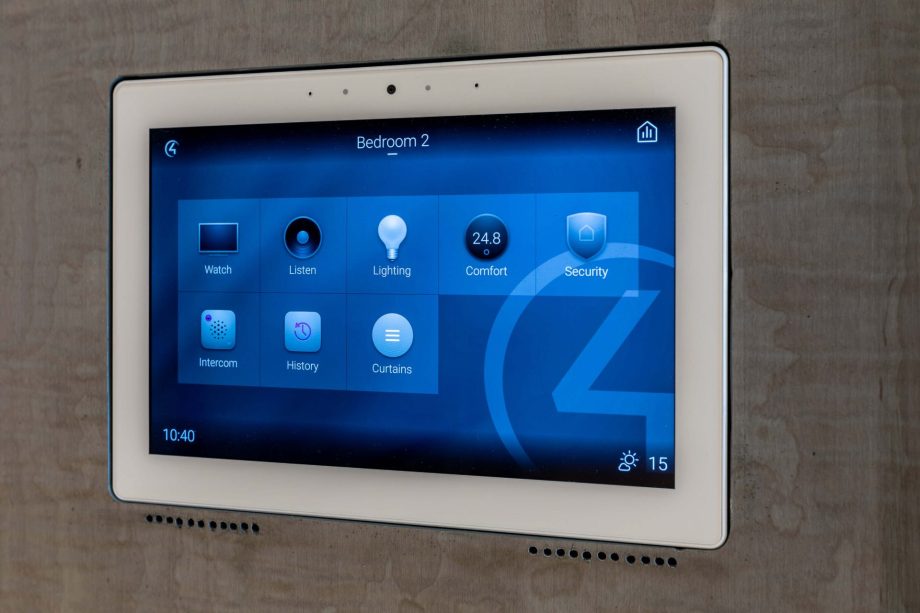
- Touch Panels: User-friendly touch panels enable easy control of all AV equipment in the room.
- Automation Systems: Automated systems can control lighting, temperature, and AV equipment based on the room’s usage and schedule.
Cabling and Connectivity
- HDMI and Ethernet Cables: Reliable and high-speed cables are necessary for connecting various AV components.
- Wireless Presentation Systems: Devices like Barco ClickShare allow for wireless sharing of content from laptops and mobile devices.
Recording and Streaming Equipment
- Cameras and Microphones: High-quality cameras and microphones for recording and live streaming events.
- Encoders: Devices that convert video and audio signals into digital formats suitable for streaming.
- Streaming Platforms: Services like YouTube, Vimeo, and custom RTMP servers for broadcasting live events.
Lighting
- Ambient Lighting: Proper ambient lighting ensures that participants are comfortable and that the displayed content is easily visible.
- Stage Lighting: For larger events, stage lighting can highlight speakers and create a professional atmosphere.
Software and Applications
- Presentation Software: Tools like Microsoft PowerPoint, Keynote, and Google Slides for creating and displaying presentations.
- Collaboration Tools: Applications like Slack, Trello, and Asana for project management and team collaboration.
- Digital Signage Software: Platforms for managing and displaying dynamic content on digital signage screens.
Sources for More Information
AVNetwork: Provides the latest news and information on AV technology trends and products.
TechRadar: Offers reviews and articles on the latest AV equipment and technology.
McKinsey & Company: Reports on the impact and adoption of AI and technology in business settings (McKinsey & Company) (MIT Technology Review) (TechRadar).
By incorporating these essential AV technologies, businesses can create versatile, efficient, and engaging environments for meetings, presentations, and events.