

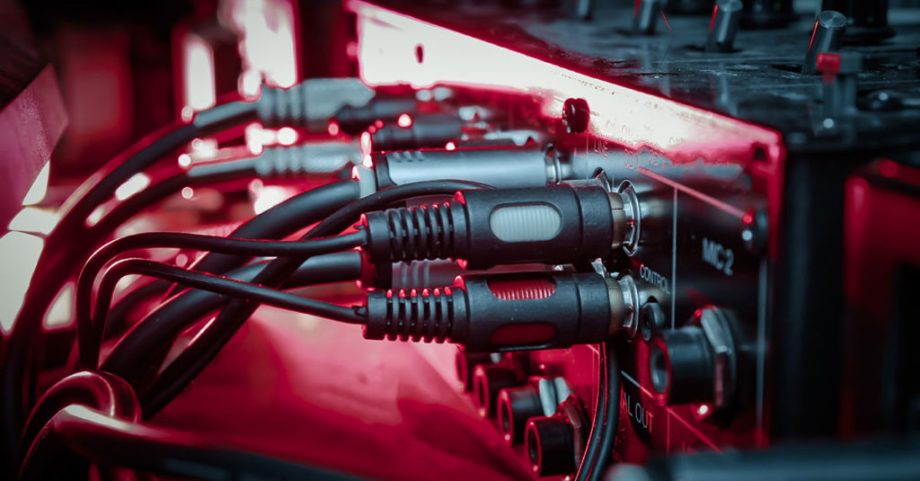
An audio integrator is a professional or a company that specializes in designing, installing, and configuring audio systems for various environments, including corporate meeting spaces, conference rooms, auditoriums, and more.
They play a crucial role in ensuring that the audio systems are optimized for the specific needs of the space and the users.
Key Responsibilities of an Audio Integrator
- System Design
- Needs Assessment: Collaborate with clients to understand their audio requirements, the purpose of the space, and the types of events or meetings that will take place.
- System Planning: Design a comprehensive audio system that includes microphones, speakers, amplifiers, mixers, and control systems tailored to the specific environment.
- Equipment Selection
- Product Knowledge: Select the appropriate audio equipment and technology from various manufacturers to meet the client’s needs.
- Compatibility: Ensure all components of the audio system are compatible and work seamlessly together.
- Installation
- Technical Installation: Install and configure audio equipment, ensuring optimal placement and setup for the best sound quality and coverage.
- Cabling and Connectivity: Handle the wiring and connectivity of all audio components, ensuring a clean and efficient installation.
- Calibration and Tuning
- Sound Calibration: Calibrate and fine-tune the audio system to optimize sound quality, including adjusting levels, equalization, and speaker placement.
- Acoustic Treatment: Implement acoustic treatments, such as panels and soundproofing, to enhance sound clarity and reduce echo or background noise.
- Integration with Other Systems
- AV Integration: Integrate the audio system with other audiovisual systems, such as video conferencing tools, projectors, and control systems.
- Automation: Set up automation and control systems that allow users to easily manage the audio settings through a central interface, such as a touch panel or mobile device.
- Testing and Quality Assurance
- System Testing: Conduct thorough testing of the audio system to ensure it meets performance standards and client expectations.
- Troubleshooting: Identify and resolve any issues or malfunctions in the system.
- Training and Support
- User Training: Provide training for the end-users on how to operate the audio system and utilize its features effectively.
- Ongoing Support: Offer ongoing technical support and maintenance services to ensure the audio system continues to function optimally.
- Upgrades and Expansion
- Future-Proofing: Design systems with scalability in mind, allowing for future upgrades or expansion as technology evolves or the client’s needs change.
Benefits of Using an Audio Integrator
- Expertise: Audio integrators bring specialized knowledge and experience, ensuring high-quality sound solutions tailored to the specific environment.
- Customization: Systems are customized to meet the unique requirements of the space and the client’s objectives.
- Efficiency: Professional installation and configuration save time and reduce the risk of errors.
- Support: Ongoing support and maintenance ensure the longevity and reliability of the audio system.
By leveraging the expertise of an audio integrator, organizations can achieve superior audio quality and functionality in their meeting spaces and other environments, enhancing communication and overall user experience.